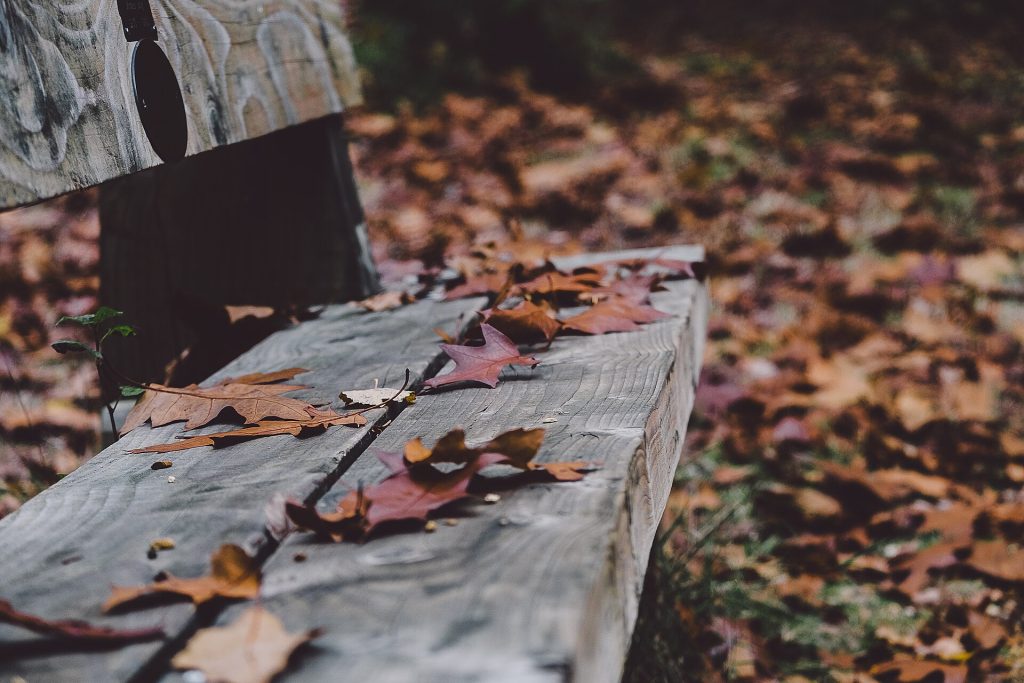
Autumn in the New Forest is the season I would choose if I could only come once. The pigs are out on the acorns, the stags are roaring in the woods, fungi push up through the leaf litter in their thousands and, towards the end of October, the beechwoods turn copper and gold. Once the schools go back it is quieter than summer too, at least midweek.
It has its hazards. Acorns are a real danger to the ponies, the rut makes deer unpredictable, and animal road accidents rise as the evenings draw in. Here is how to enjoy the season and do it responsibly.
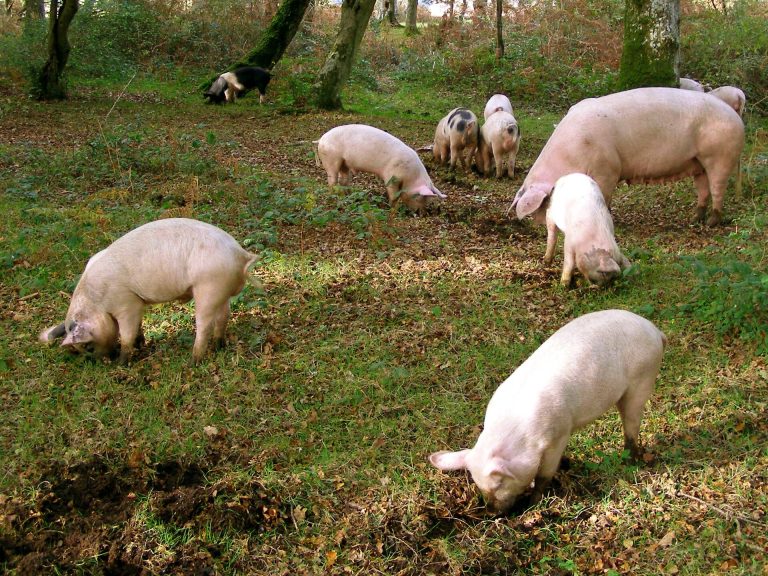
Pannage: pigs in the Forest
Every autumn commoners turn their pigs out to eat fallen acorns and beech mast, a right called pannage or the common of mast. The 2026 season runs from Monday 14 September to Sunday 29 November 2026, unless Forestry England and the Verderers agree an extension. Green acorns are poisonous to ponies and cattle in large amounts, but pigs can eat as many as they like, so they are doing an important job.
Keep your distance, never feed them (feeding pigs kitchen scraps is illegal) and drive slowly, as pigs on the verge are low and hard to see. Our page on pannage and the New Forest pigs covers the history, the dates and where you are most likely to see them.
The deer rut: where and how to watch it
The New Forest has five kinds of deer. Fallow deer are by far the most common, followed by roe and red deer, with smaller numbers of sika and muntjac. Autumn is when the males compete for mates, and it is one of the most dramatic wildlife sights in southern England.
Red deer rut from September into early November, with most of the action in October. Stags roar, walk side by side sizing each other up, and if neither backs down they lock antlers. A dominant stag can hold a group of up to about 20 hinds. Fallow bucks rut through October and make a deep, belching groan rather than a roar. You will often hear the rut long before you see it, especially at dawn.
Where to see deer near Lyndhurst
Fallow deer live in the woods all around Lyndhurst, and quiet early mornings along the edges of the inclosures give you the best chance. The best-known spot is Bolderwood, about 3.5 miles west of the village. Forestry England’s deer watch trail there is about half a mile long, follows yellow waymarks on a fairly smooth gravel surface and ends at a viewpoint with benches looking over the meadows. There is no longer a feeding station, so sightings are not guaranteed, but the meadows are worth watching at either end of the day. Our Bolderwood walk has the details.
Red deer are fewer, and the Burley area in the south-west of the Forest is the usual place to look. Wherever you go, the hour after sunrise and the last hour before dusk are best.
How to watch the rut responsibly
- Stay at least 100 metres away, about the length of a football pitch. A rutting stag is full of adrenaline and can be dangerous.
- Never approach, follow or surround deer. Use binoculars, or a long lens of at least 300mm for photographs.
- Keep to the main tracks, and keep dogs on a lead anywhere near deer.
- Look out for signs marking deer quiet areas, where deer rest and feed, and keep out of them.
- Wear muted colours, keep quiet and be patient.
Wilfully disturbing wildlife can lead to prosecution. Deer that are harassed during the rut also tend to move towards the roads.
Fungi in the New Forest, and the rules on picking
Around 2,700 species of fungi have been recorded in the New Forest, and it is one of the most important places in the country for them. After a wet spell in September or October the woods are full of them: fly agaric with its red, white-spotted cap under the birches, brackets on dead beech trunks, and the stinkhorn, which you will usually smell before you see it.
The rule is simple: look, but don’t pick. Fungi picking is not allowed on Forestry England land in the New Forest. The Forest is a Site of Special Scientific Interest, some species are protected by law under the Wildlife and Countryside Act 1981, and commercial picking has never been allowed. Fungi matter to the woods, too. Many live in partnership with tree roots and help them take up nutrients, and others recycle dead wood and leaves.
Organised fungus forays do run, but their leaders need Forestry England’s permission in advance. If you see what looks like commercial picking, report it to Forestry England on 0300 067 4601.
Autumn colour: where and when to see it
The beeches put on the best show, turning coppery gold, yellow and orange before they drop. They usually peak in the last week of October and the first week of November, though a windy or very dry autumn can cut the season short. The oaks turn later and often look best in November. The planted larches in the inclosures go a soft gold and then shed their needles, which is unusual for a conifer.
The best places near Lyndhurst are the ancient beechwoods around Bolderwood, especially Mark Ash Wood, and Bolderwood Ornamental Drive itself. For a mix of colours from planted specimen trees, try Blackwater Arboretum and the Tall Trees Trail off Rhinefield Ornamental Drive. The Knightwood Oak, one of the biggest and oldest oaks in the Forest, is close by and makes a good short stop.
Acorns and pony welfare
A heavy acorn year worries commoners. A pony that gorges on green acorns can be badly poisoned, and some ponies and cattle on the Forest die from it every year. Some ponies get a taste for them and go looking. That is why the pigs go out, and why many commoners bring their cattle off the Forest in autumn.
Never feed the ponies anything: feeding or petting them is banned and can bring a £100 fixed penalty. If you see a pony that looks unwell, keeps lying down and getting up, or seems in pain, call the Verderers on 023 8028 2052 in office hours or Forestry England on 0300 067 4600 at any time, and say exactly where you saw it.
Autumn is also when the Agisters round up ponies in drifts to check their health and brand the foals. Drifts are not spectator events, and car parks in the drift area close for the day. In 2026 the drifts ran from 2 October to 7 November, and two of them closed the car park at Bolton’s Bench on the edge of Lyndhurst. Our page on New Forest ponies and commoning explains more.
Autumn days, driving and weather
The days shorten quickly. In mid-October the sun sets at about 6.15pm. When the clocks go back on the last Sunday of the month (25 October in 2026) sunset jumps to around 4.45pm, and by mid-November it is about 4.20pm. Animal road accidents rise as the nights lengthen, and low sun and morning fog make animals harder to see. Expect ponies, cattle, donkeys and pigs on or beside the road and pass them slowly and wide. If you hit one, stop and call 999. You must report it even if the animal seems unhurt.
The weather is usually mild but often wet, and the mud starts to build from late October. Gravel inclosure tracks are the best choice after heavy rain.
- Waterproof boots and a waterproof jacket
- Binoculars for the rut
- A camera, but no basket, since the fungi stay where they grow
- A head torch if you are out near dusk
Frequently asked questions
When is the deer rut in the New Forest?
Red deer rut from September into early November, with the peak in October. Fallow deer rut through October. Dawn and dusk are the best times to see and hear it.
Can you pick mushrooms in the New Forest?
No. Fungi picking is not allowed on Forestry England land in the New Forest, and some species are protected by law. Look and photograph instead.
When is the best autumn colour in the New Forest?
Usually the last week of October and the first week of November, when the beeches are at their best. Oaks often stay colourful into mid-November.
For the rest of the year, see the New Forest through the seasons or read on to winter in the New Forest.